


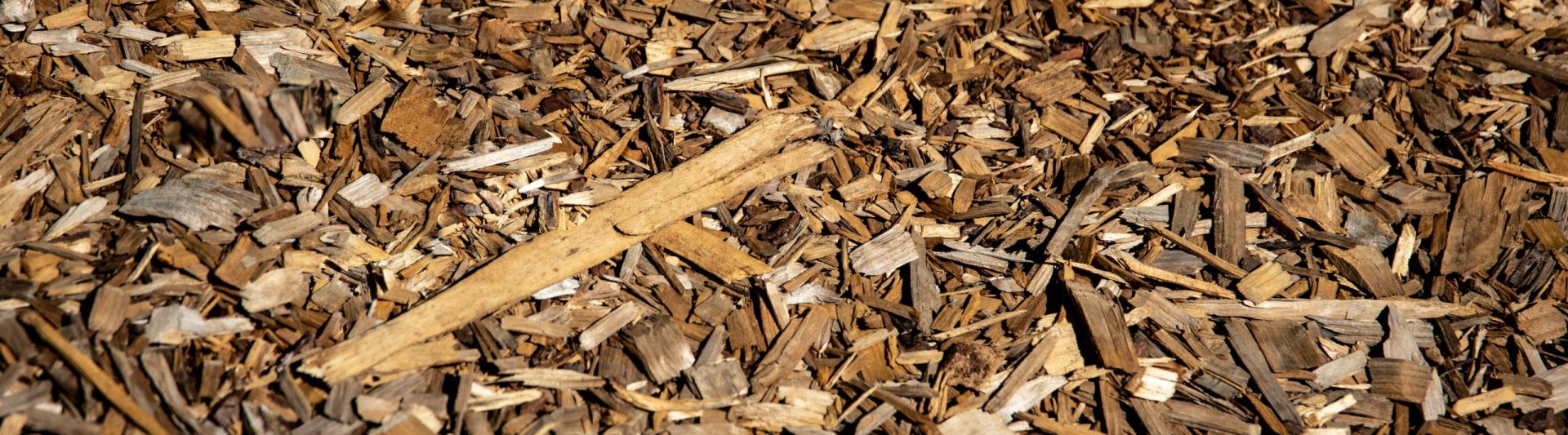
So, you're ready to dive into the world of mulch a magical material that can transform your garden from drab to fab! But hold your horses; before you start tossing that cubic yard of mulch around like confetti, it’s crucial to know exactly how much you need. After all, nobody wants to play a game of "guess how many bags of mulch I need," right? Mulching isn’t just about aesthetics; it’s about creating a thriving ecosystem for your plants. Whether you're looking for organic mulch options or considering the pros and cons of dyed vs natural mulch, understanding your needs will save you time and money.
In this blog post, we’ll break down everything you need to know about calculating your mulch requirements like a pro. From figuring out how much does a cubic yard of mulch weigh to exploring different types of mulch and their costs, we’ve got you covered!So grab your calculator (or just use our nifty garden mulch calculator), and let’s get started on this green journey together!
Understanding Mulch and Its Benefits
Mulch is like the cozy blanket for your garden beds, providing a multitude of benefits that keep your plants happy and healthy. But what exactly is it? Simply put, mulch is any material organic or inorganic spread over the soil surface to enhance the landscape and protect your plants.
Now, let's dive into why you should consider adding a layer of mulch to your gardening routine:
- Moisture Retention: A thick layer of mulch helps the soil hold moisture, meaning less frequent watering. Think of it as a sponge that soaks up water and keeps it from evaporating.
Weed Control: Mulch acts like a bouncer at an exclusive club, keeping unwanted weeds from crashing the party. By limiting sunlight, it stops weed seeds from sprouting.
- Soil Enrichment: Organic mulches, like shredded bark mulch or composted wood chips, break down over time, enriching the soil with nutrients. It's like giving your plants a healthy snack!
- Temperature Regulation: Mulch helps regulate soil temperature keeping roots cool in summer & warm in winter. It’s like giving them a climate-controlled environment!
- Aesthetic Appeal: With various types available from dyed vs natural mulch to decorative landscape mulches mulch can enhance the aesthetic appeal of your garden beds. It’s fashion for your flowers!
Types of Mulch Available
The world of mulch is vast and varied! Here are some popular options you might consider:
- Organic Mulch Options: Includes shredded bark mulch, cedar mulch (known for its aromatic properties), pine bark nuggets, and composted wood chips.
- Inorganic Mulch Options: Think rubber mulch alternatives or decorative stones that don’t decompose but offer long-lasting coverage.
- Eco-Friendly Mulch Options: Look for sustainable choices like recycled materials or locally sourced products to minimize environmental impact.
Remember: When buying mulch in bulk, knowing how much you need in cubic yards can save you time and money!
Calculating Your Mulch Needs
So, you're ready to dive into the world of mulch but how do you know just how much mulch to buy? Fear not! Calculating your mulch needs is as easy as pie (or should we say, as easy as spreading mulch?). But, if you want to do your own calculations, let's break it down step by step.
Measuring Cubic Yards for Landscaping Projects
The first thing you need to do is measure the area you want to cover. Here’s a simple formula:
- Length (in feet) × Width (in feet) × Depth (in feet) = Volume in cubic feet
- To convert cubic feet into cubic yards, divide the total by 27 (since one cubic yard equals 27 cubic feet).
For example, if your flower bed is 10 feet long, 4 feet wide, & you’ll need a depth of 3 inches (equivalent to 0.25 feet), the calculation would be:
10 x 4 x 0.25 = 10 cubic feet; then divide by 27 = approximately 0.37 cubic yards.
Cubic Yard to Bag Conversion for Mulch
If you're considering buying mulch in bags instead of bulk, it's essential to know how many bags you'll need. Most bags of mulch contain about 2 cubic feet. So, if you've calculated that you need one cubic yard of mulch:
- 1 cubic yard = 27 cubic feet
- 27 cubic feet ÷ 2 cubic feet per bag = about 14 bags.
Using a Garden Mulch Calculator
If math isn’t your thing (and who can blame you?), our mulch calculator that can do the heavy lifting for you. Just input your measurements, and voilà! You’ll get an instant estimate on how much mulch you'll need in cubic yards.
Pro Tip: Always round up your calculations! It's better to have a little extra than to run short halfway through your mulching project.
Now that you're armed with the knowledge of how much mulch you'll need, you're one step closer to achieving that picture-perfect landscape! Remember, whether you're going for organic mulch options or decorative landscape mulches, knowing your quantities will save you time and money in the long run. Happy mulching!
Factors Affecting Mulch Requirements
When it comes to figuring out how much mulch you need, it’s not just about throwing a bunch of cubic yards of mulch at your garden and hoping for the best. There are several factors to consider that can dramatically influence your mulch requirements. Let’s dig in!
- Type of Plants or Flowers Being Mulched
- The type of plants you’re mulching around plays a significant role in determining how much mulch you need. For instance, delicate flowers might require a lighter layer of mulch compared to robust shrubs or trees that thrive with a thicker blanket. Understanding the unique requirements of your plants can help you choose the right depth.
- Mulch Depth Recommendations
- Generally, a depth of 2 - 4 inches is suggested for most gardens. However, this can vary based on the type of mulch used and the plants' moisture needs. For example, shredded bark mulch might need less depth for effective moisture retention compared to hardwood mulch, which can hold onto water more effectively.
- Moisture Retention with Mulch Considerations
- One of the best benefits of mulching is its ability to retain moisture in soil. If you're using organic mulch options like composted wood chips or shredded bark mulch, they can help keep your soil moist longer meaning you might not need as much! On the flip side, if you're using decorative landscape mulches that are less effective at moisture retention, you may find yourself needing more material.
- Weed Control with Mulching Techniques
- A thicker layer of mulch not only helps with moisture retention but also plays an essential role in weed control. If you're battling pesky weeds in your garden beds, consider adding an extra inch or two to your mulch layer. This will form a barrier that makes it more difficult for weeds to sprout through.
- Soil Enrichment with Organic Mulches
- If you're opting for organic mulches like cedar or pine bark nuggets, remember that they break down over time and enrich your soil. This means you'll want to account for this when calculating how much to purchase initially more might be needed over time as it decomposes!
Takeaway: When planning your mulch application, always consider the specific needs of your plants, desired depth, and moisture retention capabilities. This will ensure you don’t just throw down cubic yards of mulch but do so strategically for maximum benefit!
Types of Mulch and Their Costs
Each type of mulch comes with its own set of powers (and price tags), so let’s break down the most popular options!
- Cedar Mulch
- Cedar mulch is like the aromatic hero of the mulch world. It not only smells fantastic but also has natural insect-repelling properties. Expect to pay around - per cubic yard for this delightful option.
- Hardwood Mulch
- If you want durability, hardwood mulch is your go-to. It's made from shredded bark and decomposes slowly, enriching the soil over time. The cost? Generally falls between - per cubic yard.
- Dye vs Natural Mulch
- Ah, the classic debate: dyed vs natural! Dyed mulches (like red or black) can bring a splash of color to your landscape but might come at a premium think about - per cubic yard. Natural mulches are usually more budget-friendly and eco-conscious.
- Eco-Friendly Mulch Options
- If saving the planet while beautifying your garden sounds appealing, consider eco-friendly options like composted wood chips or straw. These typically cost around - per cubic yard, making them easy on both your wallet and Mother Earth.
- Shredded Bark Mulch vs Pine Bark Nuggets
- Shredded bark mulch is great for moisture retention and weed control, while pine bark nuggets provide a decorative touch. Expect to pay about - per cubic yard for either option.
Remember, when calculating costs for large scale mulching projects, always consider bulk mulch delivery options! Purchasing in bulk can actually save you a considerable amount compared to purchasing bags.
No matter which type you choose, understanding the costs associated with each type of mulch will help you make a well-informed decision that fits both your garden's needs and your budget. Happy mulching!
Buying Mulch in Bulk vs. Bags
When it comes to purchasing mulch, you might find yourself at a crossroads: should you buy in bulk or stick with bags? Let's dig into the details and see which option is the best fit for your landscaping needs.
Bulk Mulch Delivery Options
Buying mulch in bulk can be a game-changer, especially if you're tackling a large project. At Schmalz Garden Center, we offer convenient bulk mulch delivery options that can save you both time and money. Imagine having a whole truckload of mulch delivered right to your doorstep no heavy lifting required!
Cubic Yard of Mulch: Understanding Volume Needs
Now, let's talk numbers. Basically one cubic yard of mulch covers approximately 100 square feet square feet with a depth of three inches. If you're planning to cover larger areas, understanding how many cubic yards you'll need is crucial. This knowledge will help you avoid the dreaded mid-project run to the store for more bags!
Quick Tip: Use our garden mulch calculator on the Schmalz website to determine exactly how much you need based on your specific garden layout.
Calculating Costs for Large Scale Mulching Projects
Cost is always a factor, and here's where buying in bulk shines. The mulch cost per yard typically decreases when purchased in larger quantities compared to buying individual bags. Plus, there are often additional costs associated with bagged mulch, like transportation and handling that can add up quickly.
"When comparing prices, remember that one cubic yard of mulch is equivalent to about 13-15 bags of standard-sized mulch bags."
This means if you're planning a big project, going for bulk could be much cheaper than filling your cart with bags.
The Final Verdict: Bulk vs. Bags
- Bulk: Best for large areas; cost-effective; less waste.
- Bags: Convenient for small projects; easier transport; no need for heavy machinery.
In conclusion, if you're looking at covering extensive gardens or landscaping projects, buying mulch in bulk is often the better choice just remember to calculate how much you'll need using our handy tools! For smaller tasks or if you're just trying out different types of mulches (like those eco-friendly options or dyed vs natural), bags might be your best bet.
Mulching Techniques and Tips for Success
Ready to become a mulch maestro? Let’s dive into some tried-and-true techniques that will have your garden looking like it just walked off the cover of Garden & Gun. Whether you’re using a cubic yard of mulch or just a few bags, these tips will ensure you spread it like a pro!
How to Spread Mulch Evenly Across Your Garden Beds
First things first: even distribution is key. Think of spreading mulch like frosting a cake nobody wants a lopsided dessert! Here’s how to do it:
- Start with clean beds: Remove any weeds or debris before you lay down your mulch.
- Use a rake: Grab a sturdy rake and spread the mulch around until it's about 2-4 inches deep this is the sweet spot for moisture retention and weed suppression.
- Create barriers: Use edging materials to keep your mulch in place and prevent it from spilling into unwanted areas.
Seasonal Mulching Tips for Different Climates and Plants
The seasons change, but your mulching game should remain strong! Here are some quick seasonal tips:
- Spring: Apply organic mulch options like shredded bark mulch or composted wood chips to enrich the soil as they break down.
- Summer: Opt for moisture-retaining mulches such as rubber mulch alternatives that can withstand heat while keeping roots cool.
- Fall: Add an extra layer of mulch around trees and perennials to protect them from winter chill and freeze-thaw cycles.
- winter: Keep garden beds covered with organic mulches that decompose over time, adding nutrients back into the soil come spring!
Weed Control with Mulching Techniques: Best Practices
No one likes uninvited guests in their garden especially those pesky weeds! Here’s how mulching can be your secret weapon against them:
- Layering is key: A thick layer (about three inches) of landscape mulch will smother weeds before they even get started.
- Choose wisely: Dyed vs natural mulch can impact weed growth; dyed options might look great but ensure they don’t leach chemicals into your soil.
- Regular maintenance: Check your beds periodically, and if you see any rogue weeds popping up, pull them out before they take over!
Remember: A cubic yard of mulch covers approximately 100 square feet with a thickness of three inches. So plan accordingly when ordering bulk!
Landscaping Ideas with Mulch
When it comes to landscaping, mulch is like the icing on the cake it adds that finishing touch while providing essential benefits. So, let's dig into some creative landscaping ideas that will make your garden pop and keep it healthy!
Mulching Around Trees
Transform your tree beds into stunning focal points by having a generous layer of organic mulch options. Not only does this enhance the aesthetic appeal, but it also helps with moisture retention and weed control. Aim for a thickness of roughly 3 inches around the base of the tree, but remember to keep it away from the trunk to prevent rot.
Flower Beds That Flourish
- If you want your flower beds to be the envy of the neighborhood, consider using dyed vs natural mulch. Dyed mulches can add vibrant colors that complement your blooms beautifully. Plus, they help maintain soil temperature and moisture levels, ensuring your flowers stay hydrated and happy.
Pathways and Walkways
- Create charming pathways by lining them with decorative landscape mulches. Not only will this guide visitors through your garden like a red carpet, but it also keeps weeds at bay. Think about using shredded bark mulch or even rubber mulch alternatives for a unique touch!
Container Gardens
- If you're working with limited space, container gardens can be a game-changer. Top off your pots with a layer of garden mulch to retain moisture & suppress weeds. This not only looks great but also reduces the frequency of watering talk about a win-win!
Pine Bark Nuggets vs Shredded Bark
- For those looking for texture in their landscaping, consider mixing pine bark nuggets with shredded bark mulch. This combination not only enhances appearance but also provides excellent insulation for plant roots while improving soil structure over time.
Sustainable Gardening Practices
- Incorporate composted wood chips as mulch options to enhance soil enrichment while practicing sustainability. They decompose gradually, returning nutrients to the soil it's like feeding your plants while making them look good!
Remember: When planning your landscaping projects, always calculate how much mulch you need in cubic yards! This ensures you get just the right amount without overspending on excess material.
Ready to transform your property? Schmalz Custom Landscaping brings your outdoor vision to life. For "do-it-yourselfers", visit our retail Garden Center located at W2484 County Rd KK, Appleton, WI 54915, or access our online store at SchmalzGardenCenter.com. For expert assistance, reach out to one of our experienced landscaping professionals/architects via our contact form.
Visit our other divisions: Lawn Guard | The Pool Team | Schmalz Acres Adventure Zone | Sprangers Orchard | Schmalz Acres